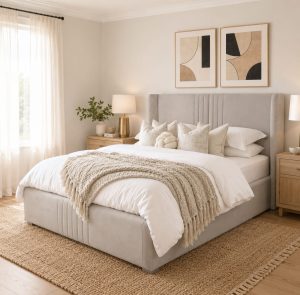

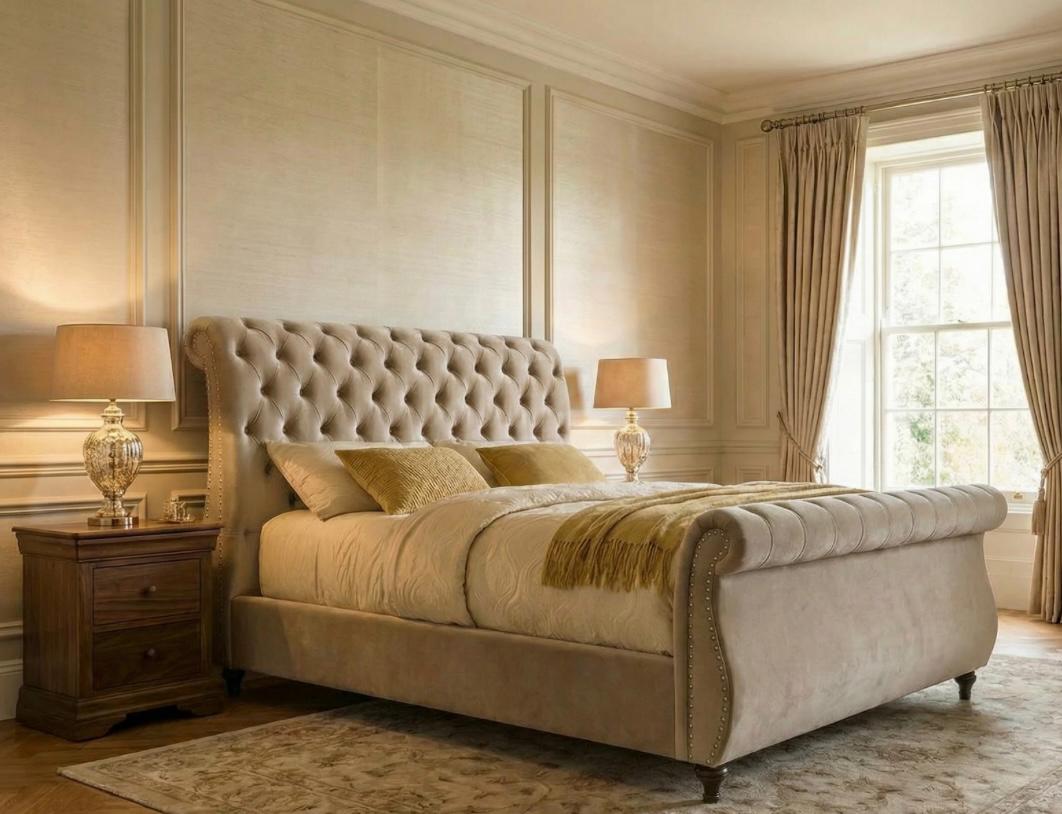
Velvet beds are everywhere right now. Scroll through any bedroom inspiration page, any interiors account, any furniture website in the UK, and velvet upholstered beds keep showing up. Deep navy headboards, rich forest green frames, soft grey panelling. They look genuinely stunning in photos and even better in person.
But a question that comes up a lot, and it is a fair one, is whether a velvet bed is actually practical for everyday life. Will it show every mark? Will it pill or wear quickly? Is it going to be a nightmare to keep clean? Is it a trend that will look tired in a few years?
These are all reasonable things to wonder before spending money on something that is going to be in your bedroom for a long time. This guide answers them honestly, without trying to sell you something that is not right for your situation.
Velvet is a woven fabric with a short, dense pile, meaning thousands of tiny fibres that stand upright from the base. The pile is what gives velvet that distinctive softness and the way it catches light differently depending on which direction you look at it.
The velvet used on furniture and beds is not the same as the delicate velvet you might find on clothing. Upholstery velvet is significantly more durable, woven to withstand daily contact, pressure, and friction. It is built for furniture, not for wearing.
There are also different types of velvet, and they behave quite differently. The two you will encounter most often when buying an upholstered bed in the UK are plush velvet and crushed velvet. Understanding the difference matters because they suit different lifestyles and different rooms.
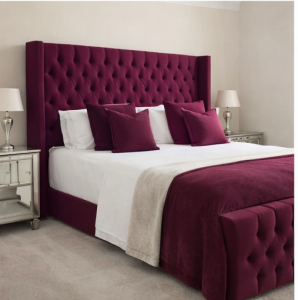
Plush velvet has a uniform, upright pile that all sits in the same direction. The result is a smooth, consistent surface that reflects light evenly and has that rich, deep appearance most people picture when they think of a velvet bed.
It is the more formal of the two. A plush velvet bed has a slightly more polished, intentional look, which is part of why it works so well in deeper, richer colours. Navy, forest green, charcoal, and burgundy all look particularly strong in plush velvet because the fabric has enough depth to carry those tones without looking flat.
The one thing to know about plush velvet in a practical sense is that it does show impressions. If you lean against the headboard, rest your hand on the frame, or let a cushion sit against it for a while, you may see a pressure mark where the pile has been pushed in a different direction. This is completely normal and brushes out easily with your hand or a soft cloth, but it is worth knowing if you are the type of person who will notice it.
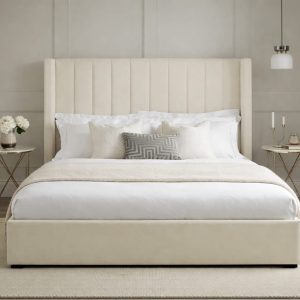
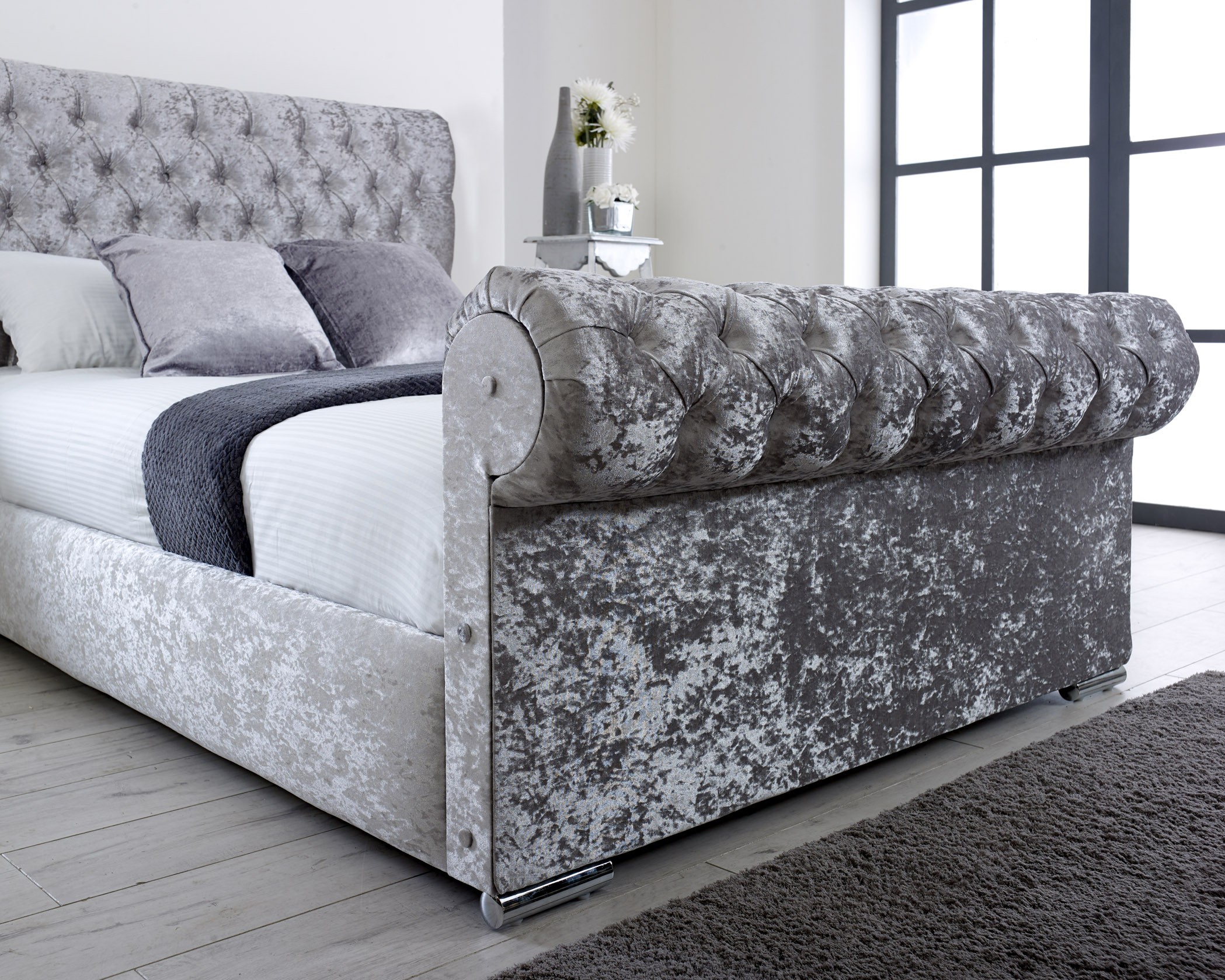
Crushed velvet is made by pressing the pile in multiple directions during manufacturing, which creates an irregular, shimmering surface. The fibres catch light at different angles, giving crushed velvet a more textured, slightly glamorous look compared to plush.
From a practical standpoint, crushed velvet actually has an advantage over plush when it comes to showing marks. Because the pile is already irregular, any pressure marks or impressions blend into the existing texture rather than standing out. This makes it slightly more forgiving in everyday use, particularly in homes with children or pets.
The trade-off is that crushed velvet is a bolder aesthetic choice. It makes more of a statement and works best in rooms where you are leaning into that look rather than trying to keep things understated. It pairs particularly well with contemporary furniture, metallic accents, and jewel-tone colour schemes.
This is probably the most common concern, and the honest answer is: somewhat, yes, but less than you probably expect.
Upholstery velvet does not attract dirt the way some fabrics do. Dust tends to sit on the surface rather than working its way into the fibres, which means it is relatively easy to keep clean with a soft brush or a low-suction vacuum attachment. Most people find that a quick once-over every couple of weeks is all it needs.
The marks that do show up most visibly on velvet, particularly plush velvet, are pressure marks from contact, the kind left by a hand, a cushion, or someone leaning against the headboard. These brush out easily. They look more alarming than they are.
Spills are a different matter. Velvet is not waterproof, and a significant spill needs to be dealt with quickly. Blot rather than rub, use a clean dry cloth to absorb as much liquid as possible, and let it dry naturally. Most minor spills on quality upholstery velvet do not leave permanent marks if they are dealt with promptly. What you want to avoid is rubbing a wet patch, which pushes the liquid deeper into the pile and makes it much harder to deal with.
Pilling, where small balls of fibre form on the surface, is more associated with knitted fabrics and cheaper woven materials than with upholstery velvet. Good quality upholstery velvet does not pill in the way a budget fabric sofa might.
What can happen over many years of use is that the pile in high-contact areas, typically the headboard where people regularly sit up and lean back, can gradually flatten slightly. This is a very slow process and is often barely noticeable in practice. Regularly brushing the fabric in the direction of the pile helps maintain the texture over time.
This is where velvet gets a reputation it does not entirely deserve. The concern is usually pet hair, and yes, pet hair does stick to velvet more visibly than it would on a leather or wooden bed frame. A lint roller or a slightly damp rubber glove run over the surface removes it quickly and completely.
The more relevant question for pet owners is whether claws are a problem. Cats in particular can snag velvet pile if they scratch at furniture. If you have a cat that regularly jumps on the bed and has a habit of kneading or scratching surfaces, that is worth factoring in. Dogs tend to be less of an issue in this respect.
If pets are a significant part of your household and you are concerned about the fabric, crushed velvet is the more resilient choice because the irregular pile disguises surface wear better than plush.
Velvet as a furniture fabric has been around for centuries. It went through a particularly strong period of popularity in the 1970s, fell somewhat out of fashion, and has been back in a significant way for the past several years. The question is whether the current popularity is a short trend or something more durable.
The honest answer is that velvet itself is not going anywhere. It is too versatile and too genuinely appealing a material for that. What does change is colour and styling trends. An emerald green crushed velvet bed with matching accessories is more trend-dependent than a deep charcoal plush velvet bed with a classic button headboard.
If you are worried about longevity, the safest choices are the more classic colours, navy, dark grey, mink, and forest green, in plush velvet with traditional buttoning. These read as timeless rather than trend-driven and will look appropriate in a bedroom for many years.
The more fashion-forward choices, very pale pinks, bold teals, silver crushed velvet, are genuinely beautiful right now but carry a slightly higher risk of feeling dated in five years. That does not mean they are wrong choices, just that they are choices worth making consciously.
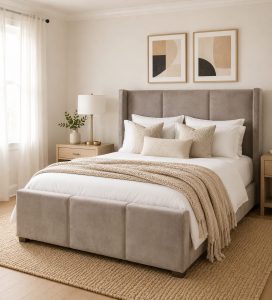
Velvet beds work best in rooms that have some level of considered decoration. They are a statement piece and they look their best when the rest of the room responds to them in some way, even if that just means keeping everything else relatively simple so the bed can do the talking.
They work particularly well in rooms with soft lighting. Velvet and warm light have a very good relationship. Bedside lamps with warm bulbs, pendant lights with fabric shades, or LED strips behind a headboard all bring out the richness of velvet in a way that harsh overhead lighting does not.
They also work well in rooms with a mix of textures. Velvet next to linen curtains, a wool rug, and wooden furniture creates that layered, intentional look that feels genuinely luxurious without being fussy.
Very small bedrooms can sometimes be overwhelmed by a large, richly coloured velvet bed. If the room is tight on space and low on natural light, a very dark velvet in a large size can close the room down significantly. In these situations, a lighter velvet colour, soft grey, pale mink, or blush, tends to work much better than a deep jewel tone.
Very utilitarian bedrooms, rooms that are essentially just functional sleep spaces with no decorative intent, can also feel slightly incongruous with a velvet bed. Velvet has an inherently decorative quality, and it works best when the room around it at least partially shares that quality.
Colour is where most people either get velvet exactly right or slightly wrong. The material has strong opinions about which colours it suits, and it is worth paying attention to them.
Deep, saturated tones are where velvet genuinely excels. Navy blue, forest green, deep burgundy, and charcoal grey all look exceptional in plush velvet because the pile adds depth and dimension to colours that might otherwise look flat in a different fabric.
Muted, dusty tones also work beautifully. Dusty pink, sage green, slate blue, and warm taupe all have a softness in velvet that is very difficult to achieve in any other upholstery material. These are the colours that tend to photograph particularly well and look genuinely elegant in real life.
True neutral tones, a proper warm grey, a soft oatmeal, a classic mink, are perhaps the most versatile velvet choices because they work with almost any other colour in the room and do not risk looking dated as quickly as more trend-driven shades.
Very pale colours, white, very pale cream, and very pale grey, can work in velvet but require more maintenance because marks and pressure impressions show up more visibly against a very light background. They look stunning when pristine but need more attention to stay that way.
Very bright, saturated colours, electric blue, vivid orange, bright yellow, are difficult to pull off in a bedroom context because they are visually intense in a space designed for rest. They exist, and some people make them work brilliantly, but they require a high level of confidence and a very deliberate room design to land well.
Most velvet beds come with options for how the headboard is detailed, and button style is one of the decisions that significantly affects the overall look.
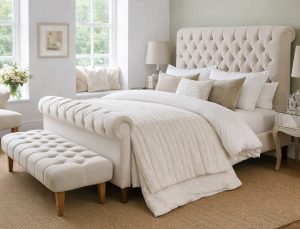
Deep buttoning, where buttons are pulled deep into the fabric to create a quilted, diamond pattern, is the most traditional and formal approach. It works particularly well with plush velvet in richer colours and gives a bed a slightly grand, classic quality. If you want your bed to feel genuinely luxurious rather than just modern, deep buttoning in a deep plush velvet is a very strong combination.
Shallower buttoning gives you the detail without the formality. The headboard still has visual interest but it reads as more contemporary and relaxed. This tends to suit a wider range of room styles and works well if you want the velvet without the full traditional look.
No buttons at all gives you a clean, flat panel headboard. This is the most minimalist option and works well if you want the colour and texture of velvet without any additional visual detail. It suits modern, paired-back bedroom aesthetics particularly well.
A few straightforward questions worth asking yourself before committing to a velvet bed.
Do you have pets that scratch furniture? If yes, consider crushed velvet over plush, as it disguises surface wear better.
How much natural light does your bedroom get? If it is a darker room, go for a lighter velvet colour or consider whether a very dark tone might close the space down further.
Are you choosing a colour you genuinely love or one you have seen everywhere lately? Both are valid, but being honest with yourself about which it is helps you make a decision you will be happy with longer term.
How much maintenance are you willing to do? Velvet is not high maintenance, but it does need occasional brushing and prompt attention when spills happen. If you want something completely hands-off, a plain fabric or chenille base might suit you better.
Is the rest of your room decorated, or is it fairly bare? Velvet works best when the room around it has at least some level of considered decoration. It does not require a fully styled room, but it responds well to one.
All velvet beds at Sleep World Furniture come with a wide range of fabric and colour options including plush velvet and crushed velvet across a large colour selection. You can also choose your headboard size, button style, and whether you want to add storage, whether that is drawers, an ottoman base, or no storage at all. Every bed comes with free UK delivery, and there is an optional assembly service available if you would rather not deal with putting it together yourself.
Velvet beds are genuinely practical, not just good looking. The concerns people have about them, marks, cleaning, durability, and longevity, are all manageable in reality and less of a problem in day-to-day life than they sound in theory.
What velvet does require is a bit of thought upfront: the right colour for your room and your lifestyle, the right type of velvet for how you live, and a bedroom that gives it at least a little space to be appreciated.
Get those things right and a velvet bed is one of the best value ways to make a bedroom feel genuinely well put together. It is a fabric that has been used on furniture for hundreds of years for good reason, and the current popularity of velvet beds in the UK is not a coincidence.